Understanding

Let’s talk about
cholesterol

Cholesterol often has a negative connotation, yet it is essential for the proper functioning of our body. It is naturally produced mainly by the liver, but is also obtained through our diet, and plays a role in many essential bodily functions. It is all a matter of balance.

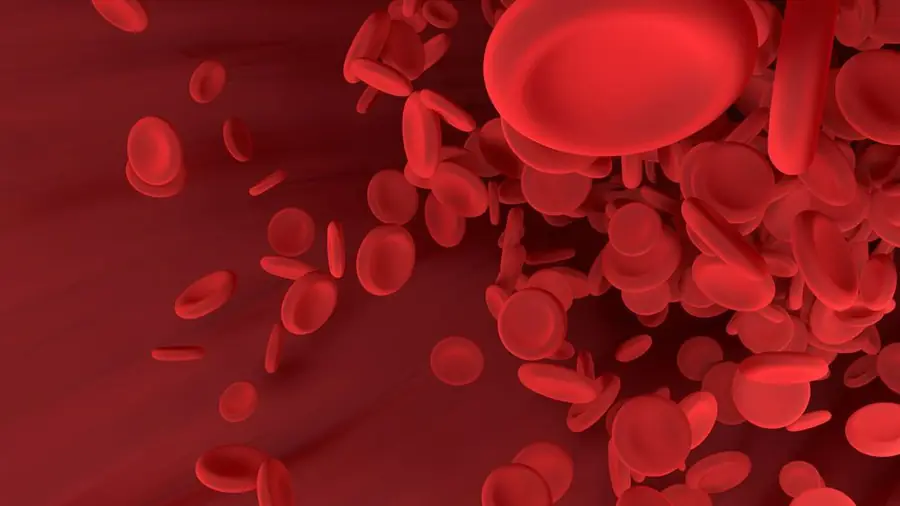
Globules rouges circulant dans un vaisseau sanguin

01 — Physiology

The role of cholesterol
in the body

Cholesterol is naturally produced mainly by the liver, but is also obtained through our diet. It plays a role in many essential functions, including:

Cell membranes

It contributes to the formation of our cell membranes.

Hormones

It plays a role in the production of certain hormones, such as sex hormones.

Vitamin D

It contributes to the synthesis of vitamin D.

Bile acids

It enables the production of bile acids, which help digest fats.

02 — The carriers

‘Good’ and ‘bad’
cholesterol?

Cholesterol is transported in the blood by proteins called lipoproteins. There are two main types:

HDL

The ‘good’ cholesterol

HDL cholesterol performs the reverse journey: it collects excess cholesterol from the tissues and transports it back to the liver, where it can be recycled or eliminated.

LDL

The ‘bad’ cholesterol

LDL cholesterol transports cholesterol from the liver to the cells of the body, where it is used to perform its various essential functions.

When these two carriers are properly balanced, they contribute to the healthy functioning of the body.

03 — The imbalance

When does cholesterol
become a problem?

Although LDL plays an essential role, persistently high levels in the blood can cause it to penetrate the arterial wall and lead to complications.

Persistently high LDL levels

When present in excessive amounts over time, LDL can penetrate the arterial wall and cause complications.

Oxidation & inflammation

Over time, some of these LDL particles can become oxidised and trigger an inflammatory response.

Plaque formation

Plaques gradually form in the arteries, causing them to narrow and restricting blood flow.

Cardiovascular risk

In the long term, the risk of cardiovascular diseases such as heart attack or stroke increases.

High cholesterol without symptoms

High cholesterol usually causes no symptoms. It is therefore possible to have high LDL cholesterol levels for many years without knowing it, as deposits can gradually build up unnoticed before a complication occurs. This is why it is important to consult your doctor regularly for a simple blood test and, if necessary, take appropriate measures to protect your health.

04 — Take action

What to do in case
of high cholesterol?

In many cases, adopting a healthy lifestyle is the first step towards helping maintain normal cholesterol levels and protecting cardiovascular health.

Balanced diet

Eat a varied diet and limit saturated fats.

Physical activity

Be physically active regularly, at your own pace.

Healthy weight

Maintain a weight suited to your body type.

Quit smoking

A major step towards better cardiovascular health.

Alcohol consumption

Limit alcohol consumption or avoid it altogether.

When these measures are not sufficient or cardiovascular risk is high, your doctor may also recommend an appropriate treatment. Certain natural solutions may also form part of a comprehensive approach, alongside a healthy lifestyle and in accordance with healthcare professionals’ recommendations.

05 — Prevention

What are the cardiovascular
risk factors?

Overall risk does not depend solely on high LDL cholesterol, although it is one of the main risk factors. Several other factors can reinforce one another when combined:

New

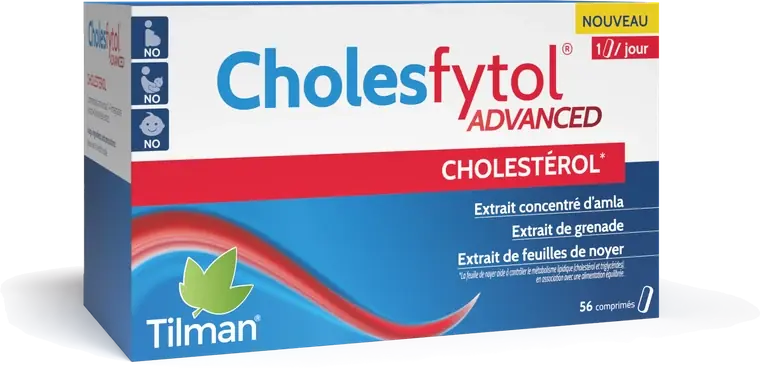
Your daily ally for cholesterol1

Cholesfytol® ADVANCED combines an exclusive formulation based on the AmG-TIL complex, unique in Belgium, combining amla and pomegranate extracts with walnut leaf extract, which contributes to the regulation of fat metabolism1. Simple dosage: just one tablet a day.

Cholesfytol® ADVANCED and Cholesfytol® NG are food supplements. A food supplement should not be used as a substitute for a varied and balanced diet and a healthy lifestyle. Keep out of reach of young children. Do not exceed the recommended daily dose.

  1. Walnut leaf helps control lipid metabolism (cholesterol and triglycerides), in combination with a balanced diet.